




Freedom And Independence Holiday Series: 2. Erosion Of Civil Liberties

Freedom And Independence Holiday
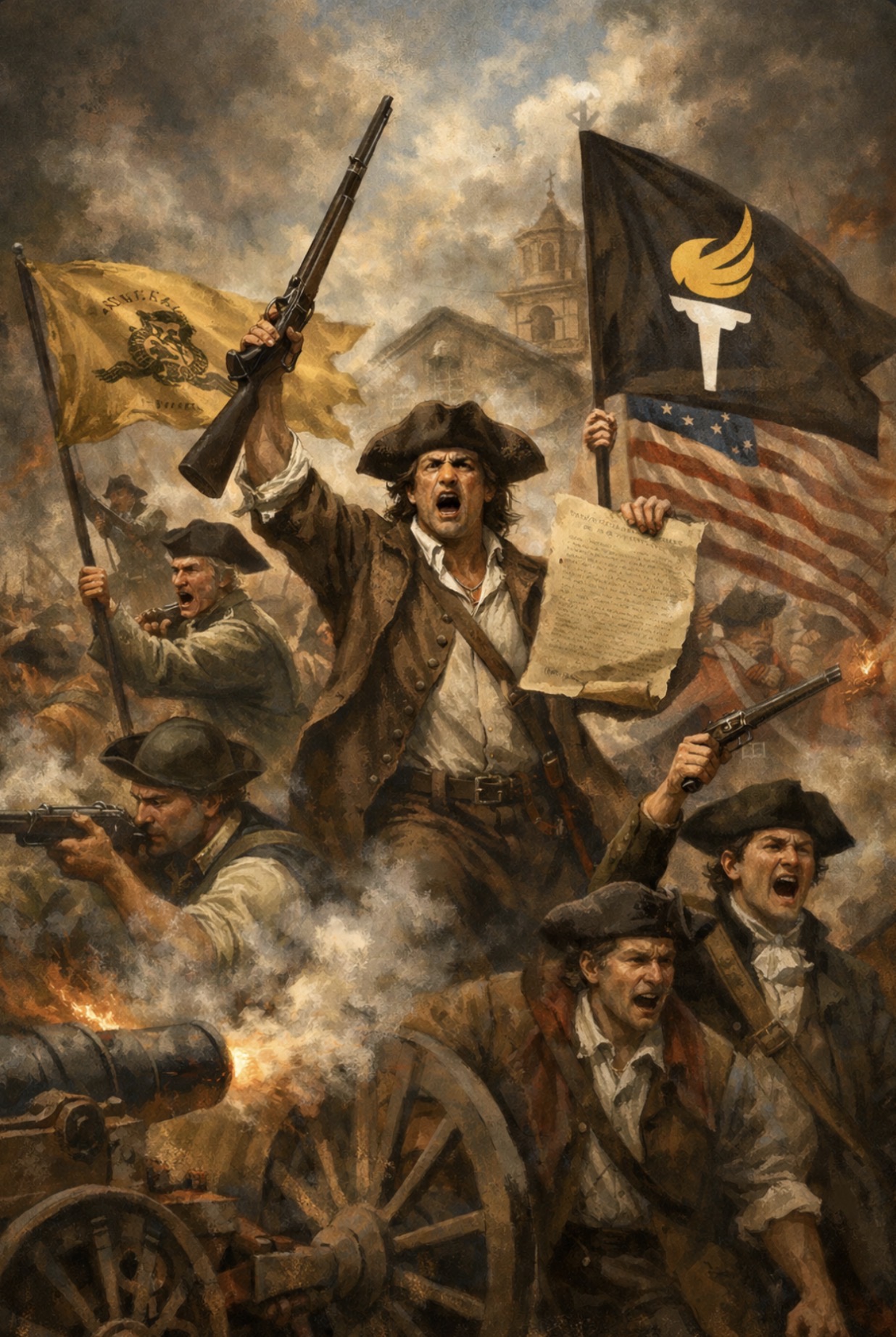
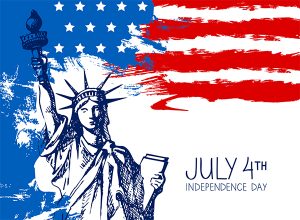
On this Freedom And Independence Holiday season that runs from Juneteenth to Independence Day(June 19 to July 4), as we strive for a more perfect union, we celebrate our victories over governments that took our independence and individual freedoms. This is also the season to look critically at The United States Federal Government and its control over us, and to sound the alarm on the threat that centralizing governmental control has on our freedom and independence. This is the perfect season to look at government from the libertarian perspective, for all humans are created equal!
As a libertarian, I am here to sound the alarm on the threat our federal government is to our independence and freedoms. So, from a libertarian perspective, I will address several threats posed by the federal government in a series of articles. These threats have been proven to be detrimental to individual liberty and the principles of libertarianism.
The good news is that each day is a new day to turn the titanic around and promote more freedom and independence. Join us in the Libertarian Party today and celebrate and defend our freedoms and independence.
Let’s delve into the second concern in this series, erosion of civil liberties.

Federal Government Erosion Of Civil Liberties Threat Alert:
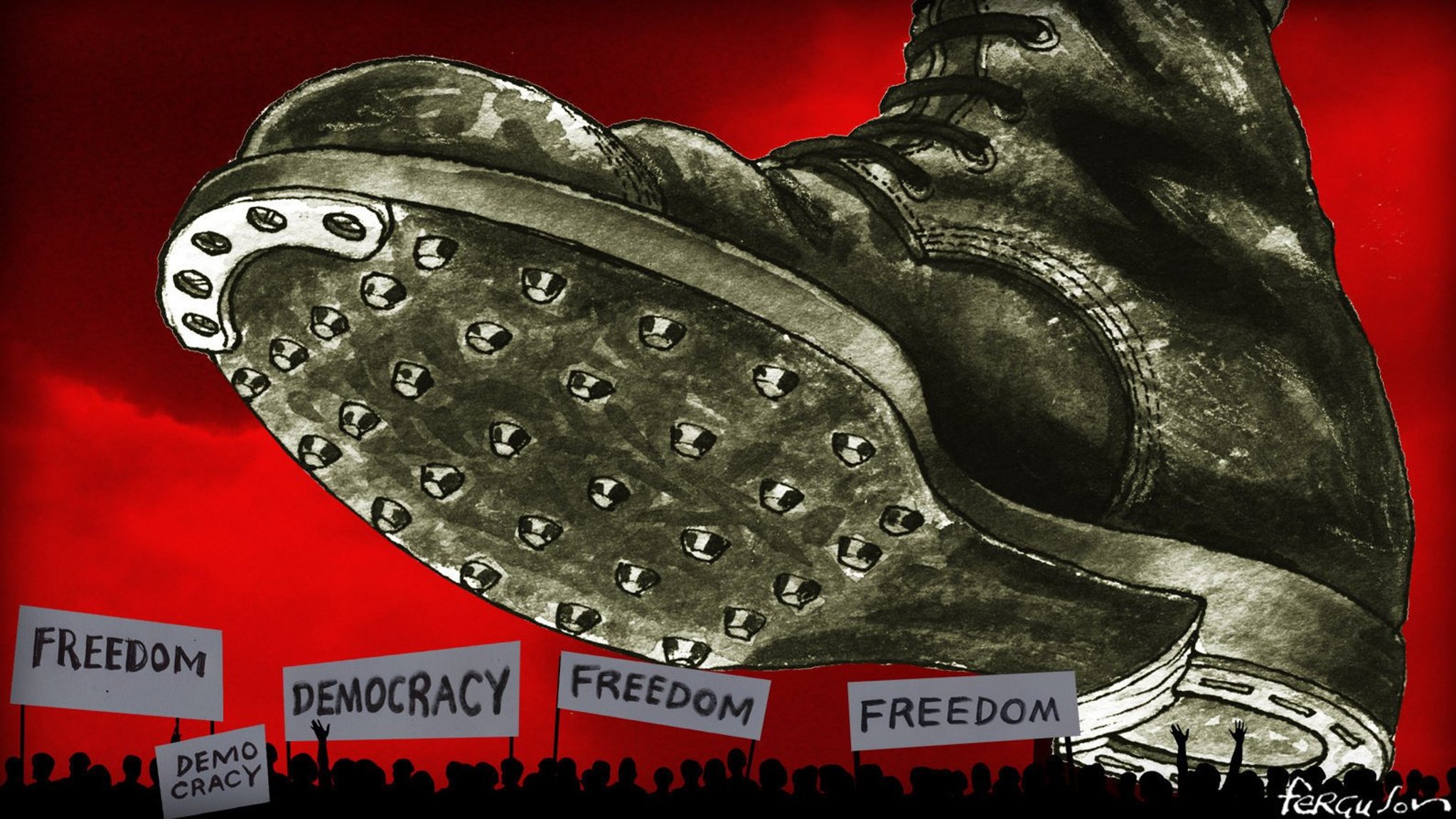
Libertarians argue that the federal government often exceeds its proper bounds, extending its reach into areas that should be left to individual choice or local governance. This overreach can manifest in excessive regulations, bureaucratic red tape, and intrusive policies that restrict personal freedoms and stifle economic innovation. Here are some specific examples as instances of the erosion of civil liberties by the federal government:
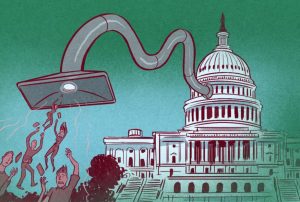
Patriot Act: The passage of the USA PATRIOT Act following the 9/11 attacks is often criticized by libertarians. It expanded government surveillance powers, allowed for warrantless wiretapping, and granted broad authority to intelligence agencies, which are encroachments on privacy rights and Fourth Amendment protections.
The USA PATRIOT Act (Uniting and Strengthening America by Providing Appropriate Tools Required to Intercept and Obstruct Terrorism Act) was passed shortly after the 9/11 attacks in 2001. This misguided law’s aim was to enhance national security and combat terrorism. But there have been real violations of civil liberties as a consequence. Here are some specific examples:
Expanded surveillance powers: The PATRIOT Act expanded the government’s surveillance powers, allowing intelligence agencies to collect a broader range of information in the name of counterterrorism efforts. this expansion infringes on individuals’ privacy rights and allows for warrantless searches and surveillance without sufficient oversight.
Enhanced wiretapping authority: The PATRIOT Act relaxed restrictions on law enforcement agencies’ ability to conduct wiretaps and intercept communications. This has the potential for abuse, leading to warrantless wiretapping and monitoring of individuals’ communications without proper judicial oversight.
National security letters (NSLs): The PATRIOT Act granted the FBI the authority to issue NSLs, which are administrative subpoenas that compel organizations to provide customer records, financial information, and other personal data without judicial review or the need to demonstrate probable cause. NSLs can be used excessively, leading to potential abuse and infringing on individuals’ due process rights.
Library records and surveillance: The PATRIOT Act allowed law enforcement agencies to access library records and other sensitive personal information without notifying the individual or obtaining a warrant. This provision raises concerns about the infringement of intellectual freedom, privacy, and the chilling effect it may have on individuals’ exercise of their First Amendment rights.
Roving wiretaps: The PATRIOT Act authorized “roving wiretaps” that allow law enforcement to track an individual’s communications regardless of the device or communication medium used. This provision raises concerns about overbroad surveillance, as it doesn’t require specificity in identifying the target of the wiretap.
Lack of transparency and oversight: The PATRIOT Act expanded surveillance powers with limited transparency and oversight mechanisms. The lack of meaningful checks and balances undermines the ability to prevent abuse and protect civil liberties.
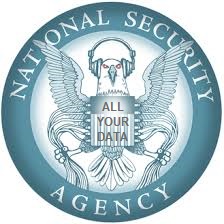
NSA Surveillance Programs: The revelations by Edward Snowden in 2013 about the extensive surveillance programs conducted by the National Security Agency (NSA) sparked concerns among us libertarians. We view the bulk collection of phone metadata and the monitoring of online communications as violations of privacy rights and an infringement on individuals’ civil liberties.
Mass surveillance programs: The revelations made by Edward Snowden in 2013 exposed the existence of mass surveillance programs carried out by the NSA, such as the bulk collection of phone metadata under Section 215 of the USA PATRIOT Act. We argue that these programs infringe on individuals’ privacy rights by collecting and storing vast amounts of data on innocent individuals without sufficient oversight or warrants.
Unlawful collection of communications: It has been found that the NSA engaged in the warrantless collection and monitoring of Americans’ communications, including emails, phone calls, and internet activities. We argue that this violates the Fourth Amendment protections against unreasonable searches and seizures, as it involves the collection of personal information without a specific warrant based on probable cause.
Lack of transparency and oversight: The secretive nature of the NSA’s surveillance programs has raised concerns about the lack of transparency and insufficient oversight. Libertarians argue that the lack of public knowledge and limited oversight mechanisms undermine accountability, making it difficult to ensure that surveillance activities are conducted within the bounds of the law and respect civil liberties.
Chilling effect on free speech and association: The knowledge of extensive surveillance creates a chilling effect on individuals’ exercise of their First Amendment rights to free speech and association. The fear of being monitored and potentially targeted for expressing dissenting views or participating in political or activist activities can stifle open discourse and hinder the free exchange of ideas.
Impact on attorney-client privilege: The NSA’s surveillance activities have raised concerns about the erosion of attorney-client privilege. If confidential communications between individuals and their legal counsel are subject to interception or monitoring, it can undermine individuals’ ability to seek legal advice and undermine the fundamental principles of a fair and effective legal system.
International privacy concerns: The global reach of NSA surveillance programs has raised concerns about violations of privacy rights for individuals outside the United States. The collection of data on foreign individuals, including world leaders, without their knowledge or consent, has strained diplomatic relations and raised questions about the extraterritorial application of U.S. surveillance laws.

Warrantless Searches and Seizures: Libertarians criticize instances of warrantless searches and seizures conducted by federal law enforcement agencies, such as the use of no-knock raids. We argue that these actions violate the Fourth Amendment’s protections against unreasonable searches and seizures and undermine due process rights.
Stop and frisk policies: The effectiveness of stop and frisk as a crime-fighting tool has been questioned extensively by libertarians. Proponents argue that it helps to remove weapons and deter crime, studies have shown that the yield of discovering illegal firearms or contraband through stop and frisk is relatively low. However, the vast majority of individuals stopped are found to be innocent, which suggests that these policies cast a wide net and subject many law-abiding citizens to unnecessary intrusion and humiliation.
Border and immigration searches: At the border and at airports, law enforcement agents have broader authority to conduct warrantless searches and seizures. This includes searches of electronic devices, such as smartphones and laptops, which can contain highly personal and sensitive information. Libertarians argue that these searches without a warrant infringe on individuals’ privacy rights, particularly when there is no reasonable suspicion of criminal activity.
Emergency situations: In emergency situations, federal law enforcement officers may conduct warrantless searches and seizures to prevent imminent harm or preserve public safety. However, the scope and duration of such searches must be limited to the exigency at hand. We argue that there is a risk of abuse or overreach when the definition of “emergency” is stretched, leading to the potential violation of civil liberties.
National security and surveillance programs: Government surveillance programs, particularly those conducted in the name of national security, have raised concerns about warrantless searches and seizures. Examples include the bulk collection of phone metadata or the warrantless monitoring of internet communications. We argue that these practices violate individuals’ privacy rights and go beyond the scope of what is reasonable and necessary for national security purposes.
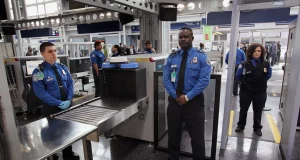
TSA Airport Security Measures: Libertarians often point to the Transportation Security Administration’s (TSA) airport security measures as an infringement on individual liberties. We contend that the invasive screenings, pat-downs, and restrictions on personal items violate privacy rights and subject law-abiding individuals to unnecessary searches and scrutiny.
Invasive screening procedures: The TSA employs various screening procedures, including full-body scanners and pat-down searches. Libertarians argue that these measures are invasive and infringe on individuals’ privacy rights. For example, the use of full-body scanners that produce revealing images of passengers raised concerns about the potential for inappropriate or unwarranted exposure of personal information.
Profiling and racial/religious bias: The TSA has faced criticism for allegedly engaging in racial or religious profiling during security screenings. We argue that these practices disproportionately target individuals based on their race, ethnicity, or religious background, leading to potential violations of civil rights and reinforcing stereotypes.
Transportation Security Officers (TSOs) overreach: There have been instances of TSOs overstepping their authority or engaging in inappropriate conduct during screenings. Instances of confiscating personal items without proper justification, unnecessarily aggressive pat-downs, or displaying disrespectful behavior towards passengers raise concerns about overreach and potential violations of civil liberties.
Limited redress mechanisms: The process for addressing grievances or filing complaints against the TSA can be complex and lacking in transparency. We argue that the limited avenues for seeking recourse or holding TSOs accountable can hinder individuals’ ability to challenge potential violations of their civil liberties.
Intrusion on personal electronic devices: The TSA has the authority to request passengers to turn on their electronic devices for inspection during security screenings. We argue that this practice encroaches upon individuals’ privacy, as it allows for potential access to personal data, sensitive information, or even violations of attorney-client privilege.
Opt-out procedures and alternative screening methods: The TSA’s opt-out procedures for individuals who prefer not to undergo certain screening methods, such as full-body scanners, have faced criticism. We argue that the opt-out procedures can subject individuals to additional scrutiny, longer wait times, or potentially invasive pat-down searches, creating a coercive environment that pressures individuals into accepting potentially intrusive screening methods.
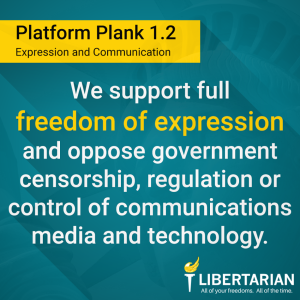
Restrictions on Free Speech: Libertarians raise concerns about restrictions on free speech imposed by federal regulations and legislation. Examples include campaign finance laws that limit political speech, laws prohibiting certain types of online content, and attempts to regulate political advertising on platforms like social media.
Content-based censorship: When governments or institutions selectively target and censor certain types of speech based on its content, it undermines the principles of free expression. Examples include banning political or ideological viewpoints, censoring art or literature, or suppressing dissenting opinions. Such actions limit individuals’ ability to freely express themselves and engage in open dialogue on important issues.
Laws criminalizing speech: Certain laws criminalize speech that is deemed offensive, blasphemous, or critical of the government or ruling authorities. These laws can lead to self-censorship and restrict individuals’ ability to voice their opinions freely without fear of legal consequences. Such restrictions curtail the open exchange of ideas and stifle political and social discourse.
Prior restraint: Prior restraint refers to the suppression or prohibition of speech before it is even expressed or published. This can occur through government censorship or court orders. The imposition of prior restraint limits individuals’ ability to freely disseminate information or express their views, inhibiting the free flow of ideas and knowledge.
Restrictions on peaceful protests and assemblies: Governments may impose excessive regulations or restrictions on peaceful protests, marches, or public assemblies. These restrictions can include requiring permits, limiting the location or duration of protests, or imposing stringent conditions. Excessive limitations on these fundamental forms of expression curtail individuals’ ability to exercise their right to peacefully gather and voice their grievances.
Online censorship and surveillance: With the rise of the internet, restrictions on free speech have extended to the digital realm. Governments may employ online censorship and surveillance to control the flow of information, monitor dissenting voices, or suppress political opposition. Such actions limit individuals’ ability to freely express themselves and access diverse perspectives online. It has just been recently discovered that federal agencies were working with Facebook and Twitter and other social media companies to censor COVID19 dissent and to spread misinformation for a presidential campaign.
Libertarians express concerns about these threats and the extent of erosion of civil liberties from the federal government. These actions are not the appropriate role of government. These examples illustrate some of the specific instances that are often cited as encroachments on civil liberties by the federal government from a libertarian perspective.
On this season of Independence and freedom, let us keep the libertarian perspective on federal government erosion of civil liberties alive and kicking. Next up in the Freedom and Independence Holiday series, Excessive Taxation and Spending from the federal government. As always… For liberty!
3 thoughts on “Freedom And Independence Holiday Series: 2. Erosion Of Civil Liberties”