



Waking Up in the State of Ancapistan
I woke up in the state of Ancapistan, a libertarian nation—and my first emotion was disgust.
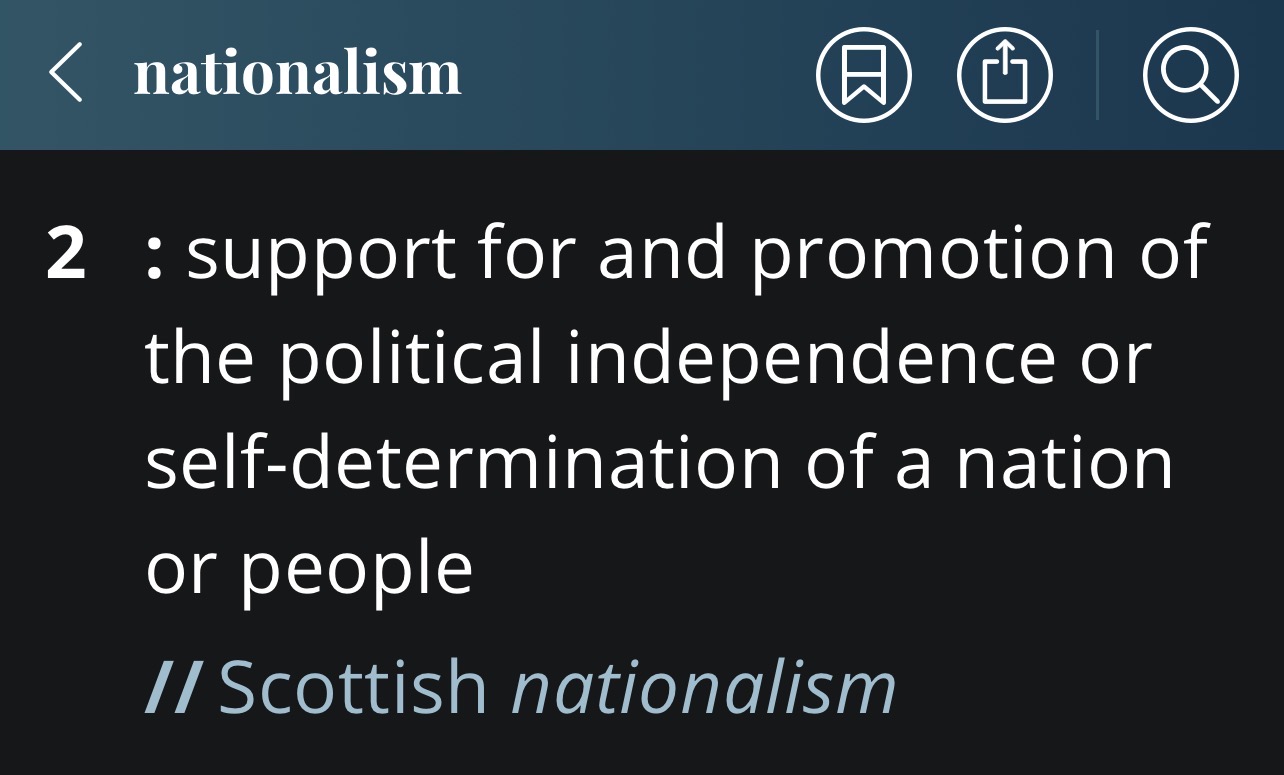
A state! Those damn Libertarian Nationalists!
That was the word they used. Casually. Without apology.
I had spent my youth insisting no state could exist without betrayal. States were how domination laundered itself into legitimacy. States were the lie that power told to sleep at night. I had called myself an anarchist because I refused to pretend otherwise.
So when I realized Ancapistan had a constitution, borders, and a republic—something in me recoiled.
This wasn’t what we promised each other in the pamphlets.
This wasn’t the dream.
But the dream kept not breaking.
No one demanded my allegiance. No one taxed my labor. No one regulated my choices. I owned what I earned. I spoke without permission. I defended myself without paperwork. Children grew up without being indoctrinated into obedience or dependency.
And worst of all—
it worked.
I looked for the coercion we’d been warning about for decades. I expected subtle tyranny, creeping mandates, soft force hidden behind civility.
Instead, I found something far more unsettling.
Restraint.
People here did not behave as if freedom were fragile. They behaved as if it were normal. Contracts mattered. Property mattered. Boundaries mattered. Not because the state demanded it—but because the culture did.
When someone violated those norms, there was no riot, no spectacle, no moral theater. They were isolated. Untrusted. Removed if necessary. No apologies made for them. No excuses constructed on their behalf.
I realized then what no one in my old circles wanted to admit. That a society that refuses to enforce anything ends up enforcing the will of its worst members.
We used to call that tolerance.
Here, they called it negligence.
I asked where the government intervened.
“Violence. Fraud. Invasion,” they said.
“And everything else?”
“Everything else is your problem.”
That sentence would’ve gotten someone labeled a statist back home.
Here, it was a warning.
The constitution—short, unromantic, and brutally explicit—did not grant rights. It assumed them. Its only purpose was to limit the machinery capable of violating them. Power was enumerated like a list of sins, not privileges.
Borders existed. Not to keep people in—but to keep coercion out. Entry required nothing but consent to the rules: don’t violate self-ownership, don’t demand to be carried, don’t import force and call it compassion.
I hated how much sense it made.
Because it meant admitting something that anarchists rarely say out loud:
We don’t just want freedom.
We want freedom protected from other people’s refusal to live by it.
Ancapistan, I finally understood, wasn’t stateless.
It was anti-expansionary.
Anti-missionary.
Anti-control.
The state existed here the way a scar exists—evidence of a wound survived, not a body still bleeding.
Calling it a republic wasn’t a betrayal of anarchism.
It was the admission that anarchy without boundaries is just a power vacuum with better slogans.
I didn’t wake up in the absence of coercion.
I woke up in a place that had finally learned where coercion comes from—and had the courage to fence it in.
That’s the part that makes people like my younger self uncomfortable.
Because the state of Ancapistan forces you to answer a question purity never does:
If you won’t enforce liberty, who do you think will?
A Libertarian Nation will!
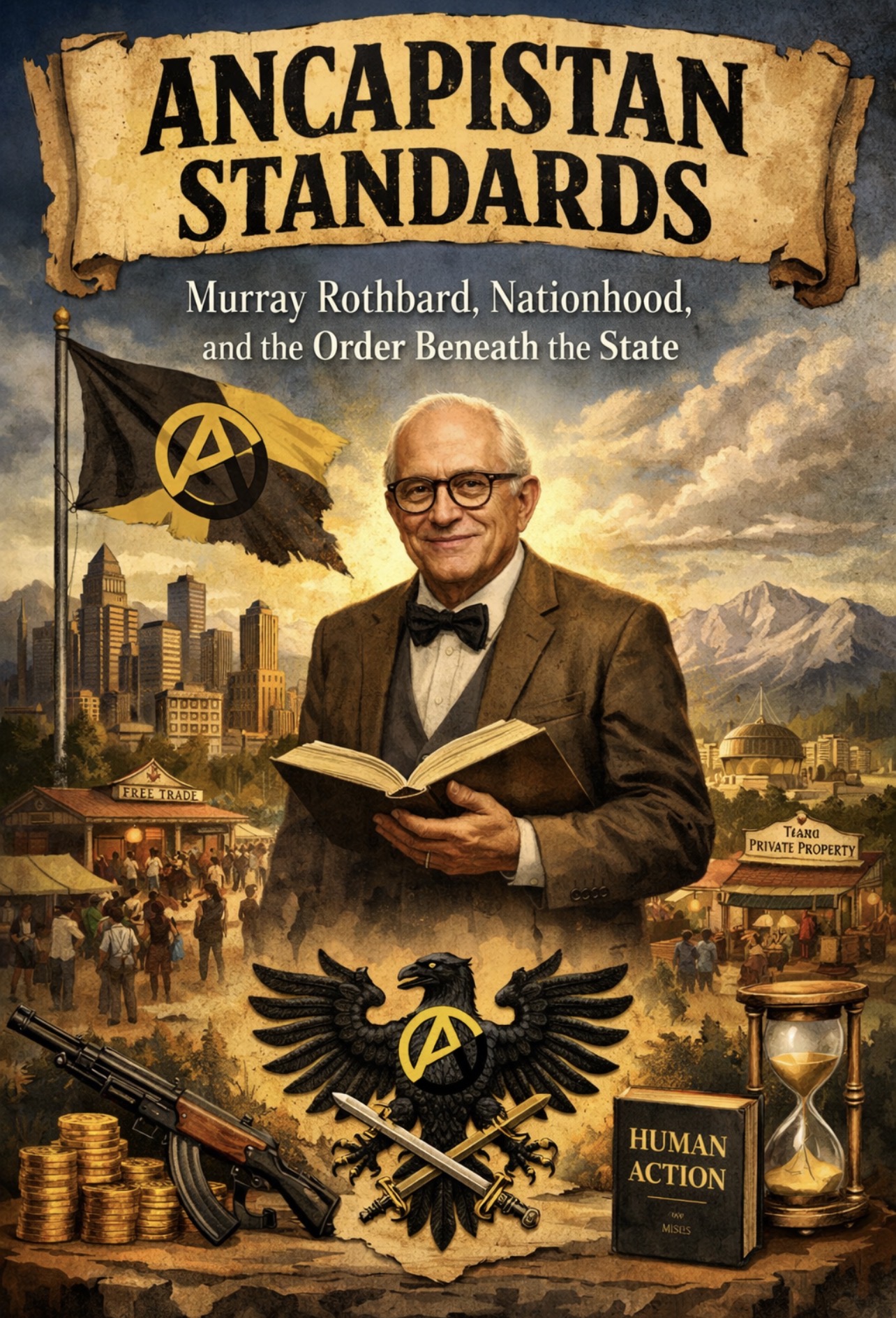
The Ancapistan Standards
Ancapistan is not the absence of rules.
It is the absence of arbitrary power.
By Ancapistan standards:
Self-ownership is non-negotiable.
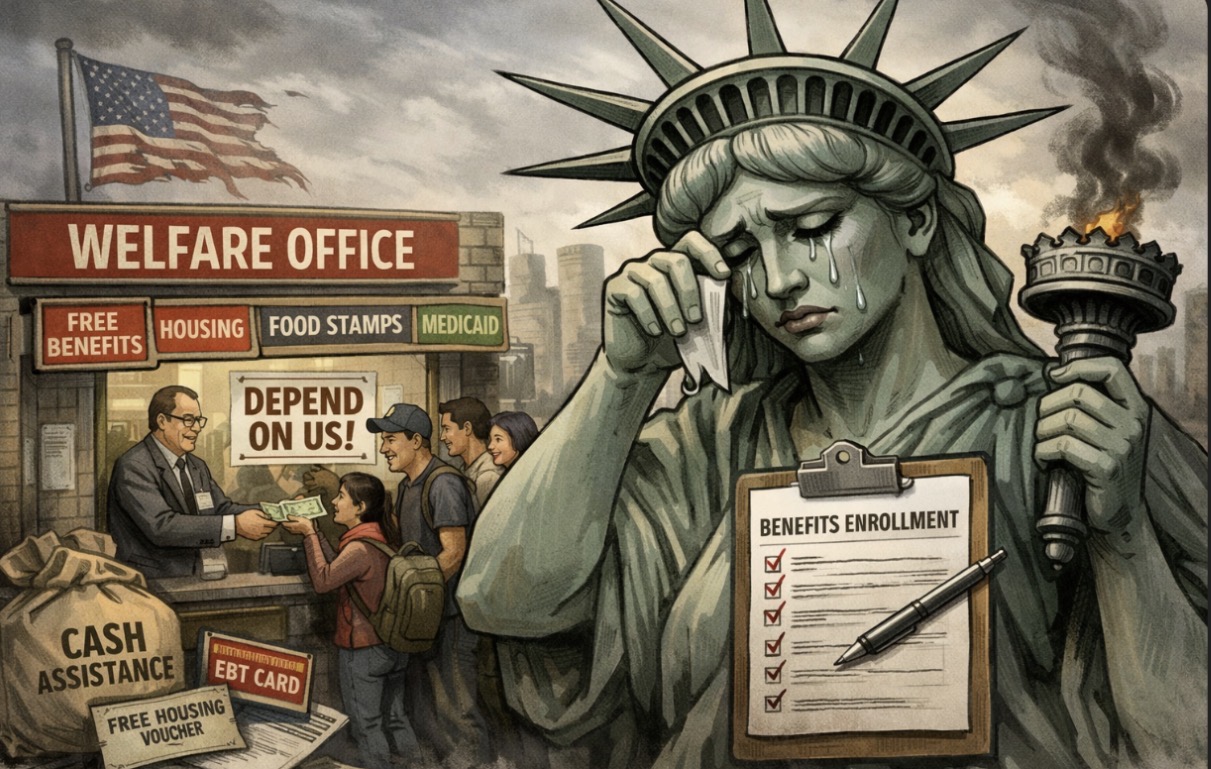
No person may be compelled, managed, subsidized, reeducated, or sacrificed for another—by individuals, mobs, or institutions.
Property is sacred because labor is sacred.
What you earn, trade for, or homestead is yours. Violation of property is violence, whether done privately or “democratically.”
Consent is the only moral basis of association.
Entry into the society is voluntary. Exit from it is unpunished. Participation beyond non-aggression is optional.
Power exists only to restrain coercion—and nowhere else.
Any authority that extends beyond preventing violence, fraud, or invasion is illegitimate by definition.
The state is not a moral actor.
It is a dangerous tool—tolerated only insofar as it is constrained, enumerated, transparent, and culturally despised.
Borders are ethical boundaries, not ethnic ones.
They exist to protect a culture of non-coercion, not to impose identity or extract obedience.
Culture enforces liberty before law ever does.
Social trust, ostracism, reputation, and refusal are the primary regulators. Formal force is the last resort.
No victim, no crime. No coercion, no excuse.
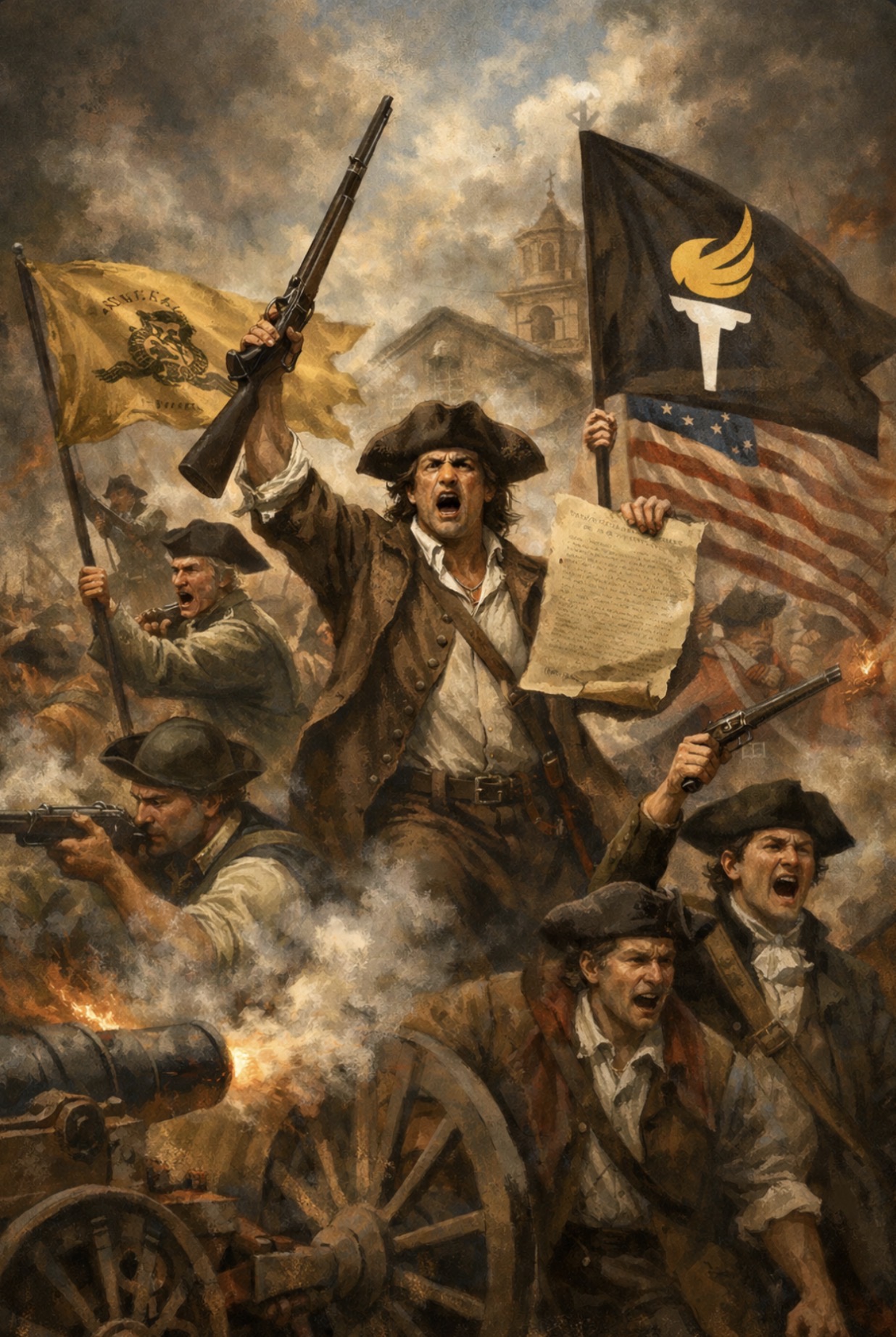
Freedom is not provided. It is defended.
And defense requires structure—minimal, reluctant, and constantly under suspicion.
If this disqualifies a society from being called anarchist, so be it.
Ancapistan was never meant to be pure.
It was meant to be livable.
And any philosophy unwilling to survive contact with human nature is not radical—
It’s just irresponsible.