





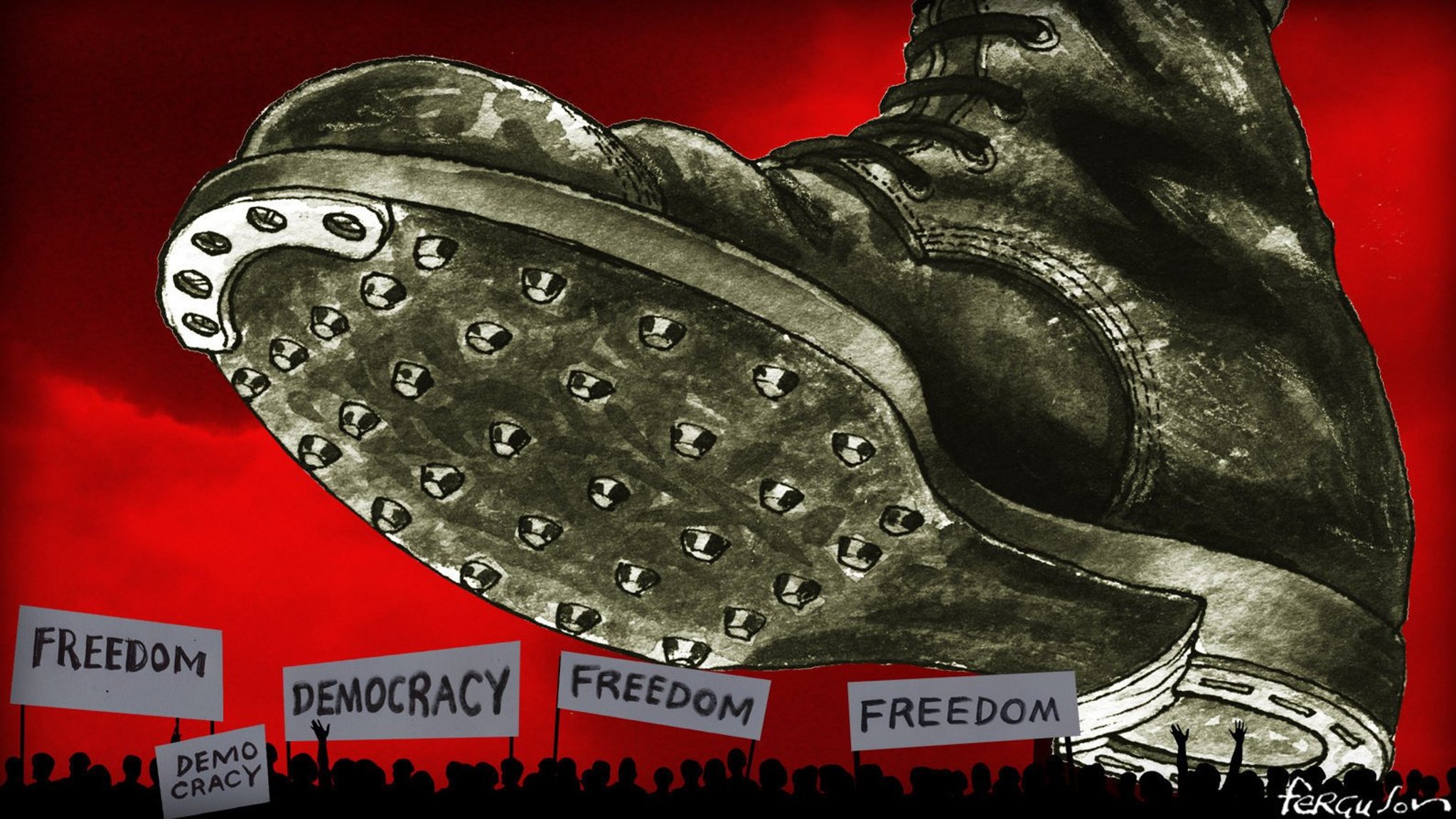
Freedom And Independence Holiday Series: 1. Federal Government Overreach


Freedom And Independence Holiday
On this Freedom And Independence Holiday season that runs from Juneteenth to Independence Day(June 19 to July 4), as we strive for a more perfect union, we celebrate our victories over governments that took our independence and individual freedoms. This is also the season to look critically at The United States Federal Government and its control over us, and to sound the alarm on the threat that centralizing governmental control has on our freedom and independence. This is the perfect season to look at government from the libertarian perspective, for all humans are created equal!
As a libertarian, I am here to sound the alarm on the threat our federal government is to our independence and freedoms. So, from a libertarian perspective, I will address several threats posed by the federal government in a series of articles. These threats have been proven to be detrimental to individual liberty and the principles of libertarianism.
The good news is that each day is a new day to turn the titanic around and promote more freedom and independence. Join us in the Libertarian Party today and celebrate and defend our freedoms and independence.
Let’s delve into the first concern in this series, federal government overreach.
Federal Government Overreach Threat Alert:
Libertarians argue that the federal government often exceeds its proper bounds, extending its reach into areas that should be left to individual choice or local governance. This overreach can manifest in excessive regulations, bureaucratic red tape, and intrusive policies that restrict personal freedoms and stifle economic innovation. Here are some specific examples as instances of federal government overreach:

COVID19 Pandemic Reaction: In response to the pandemic, many state and local governments issued stay-at-home orders and mandated the closure of non-essential businesses. While these decisions were primarily made at the state and local levels, the federal government provided guidelines and recommendations that some critics argued were an overreach of federal authority. The economic irresponsibility was devastating. Libertarians contend that such restrictions infringed on individual liberties and that the decision-making power should have remained solely with state and local authorities. Even with that in mind, libertarians opposed any and all mandates and forced closures.
The federal government’s Centers for Disease Control and Prevention (CDC) implemented a temporary eviction moratorium during the pandemic. The moratorium, initially issued in September 2020, was extended multiple times. Libertarians and others argued that the CDC lacked the legal authority to impose such a moratorium and that it was an example of executive overreach, encroaching on the domain of the legislative branch. The Supreme Court even found it to be unconstitutional but the federal government took power and kept it in place, anyway.
The federal government mandated COVID-19 vaccinations through public campaigns and initiatives. Federal agencies, such as the CDC, implemented vaccine requirements for their employees. CDC guidelines were confusing and contradictory and scientific, medical and public dissent was censored and surveilled. People lost their jobs and livelihoods. The issue of broader mandates for private businesses or the general population has sparked controversies, with libertarian arguments centered around individual rights and the scope of federal authority.
The federal government, along with state and local authorities, employed various surveillance and data collection measures. For instance, contact tracing programs and the use of smartphone apps to monitor individuals’ movements was implemented in some regions. Surveillance and censorship, especially online, by the federal government was later confirmed. Libertarians have raised concerns about the potential invasion of privacy and the long-term implications of expanded government surveillance powers.
The federal government rolled out several ‘relief packages’ to mitigate the economic impacts of the pandemic. While these funds were foolishly intended to provide financial support from mandated closures to individuals, businesses, and local governments, there was mass mismanagement, fraud, and inconsistencies in the distribution of funds. Libertarians argue that the federal government overstepped its authority by forcing taxpayers to foot the bill for the federal government overreach during this period.
Affordable Care Act (ACA): Libertarians argue that the ACA, also known as Obamacare, represents government overreach by mandating individuals to purchase health insurance or face penalties and by disrupting the healthcare marketplace. They believe that such mandates infringe upon individual freedom of choice and impose burdensome regulations on the healthcare industry.
One of the criticisms of the ACA is that it led to an increase in health insurance premiums for many individuals and families. The mastermind plan was that subsidies would be provided to help lower-income individuals afford coverage, those who didn’t qualify for subsidies experienced higher premium costs. Additionally, healthy individuals saw their premiums increase due to the requirement to cover pre-existing conditions.
Many insurers narrowed their provider networks, resulting in limited choices of doctors and hospitals for individuals. This led to patients losing access to their preferred healthcare providers or having to travel longer distances to receive care.
Libertarians argued against the ACA because many individuals faced higher deductibles and out-of-pocket costs because insurers were forced to offer comprehensive coverage, including pre-existing conditions. This meant that even with insurance coverage, people had to pay more for medical services before their insurance benefits kicked in. For some, these costs became a significant burden.
It’s no surprise that the ACA has negative effects on the job market. The mandate requiring employers with 50 or more full-time employees to offer health insurance or pay a penalty meant businesses would be forced to reduce employee hours or shift towards part-time employment to avoid the costs associated with providing insurance.
When the ACA was implemented, individuals with existing health insurance plans had their coverage canceled or significantly altered due to the law’s new requirements. This led to dissatisfaction among individuals who were forced to switch plans or find alternative coverage. This expansion of the federal government will have lasting negative consequences on the quality and availability of healthcare. Libertarians opposed the ACA from the beginning and will always oppose threats to our individual independence, medical privacy and freedom to choose.

Drug Prohibition: Libertarians contend that the federal government’s war on drugs is a prime example of overreach. We argue that drug prohibition violates individual rights, leads to unnecessary incarceration rates, and fails to address drug addiction as a public health issue rather than a criminal matter.
In the 1980s and 1990s, the federal government implemented strict mandatory minimum sentences for drug offenses. These laws required judges to impose fixed sentences regardless of individual circumstances or the severity of the crime. This approach resulted in disproportionate punishments and removed judicial discretion, leading to long prison terms for nonviolent drug offenders.
Civil asset forfeiture laws as penalties for drug possession unjustly allow law enforcement agencies to seize assets suspected of being involved in illegal drug activities, even without a criminal conviction. This practice infringes on individuals’ property rights and due process, as assets can be seized based on mere suspicion, and it places the burden of proof on the owner to reclaim their property.
The federal government has expanded its jurisdiction and enforcement efforts in drug-related matters, encroaching on what should be primarily state and local issues. This includes federal drug enforcement task forces operating in collaboration with local law enforcement agencies and federal agents taking on cases that could have been handled at the state level.
Despite the legalization of medical marijuana in many states, the federal government maintains its classification as a Schedule I controlled substance, making it illegal under federal law. This conflict between federal and state laws creates challenges for individuals and businesses operating within state-legalized medical marijuana programs, as they can face federal prosecution and property seizures.
The federal government has been involved in extensive surveillance and data collection efforts to combat drug trafficking. This includes the use of intelligence agencies and law enforcement agencies monitoring individuals and organizations suspected of involvement in drug-related activities. These surveillance programs infringe on privacy rights and can lead to unwarranted intrusion into the lives of innocent individuals.
The U.S. federal government has also engaged in various international efforts to combat drug trafficking, often involving military assistance and interventions in foreign countries. These interventions are undoubtably an overreach of federal authority, as they may infringe on the sovereignty of other nations and have unintended consequences such as human rights abuses.

Surveillance Programs: The revelations about extensive surveillance programs conducted by intelligence agencies, such as the National Security Agency (NSA), have raised concerns among libertarians. We view these programs as a violation of privacy rights, as they involve warrantless surveillance of individuals’ communications and data collection without proper oversight. The federal intelligence agencies have even surveilled members of presidential campaigns. This intrusive behavior has even infiltrated social media. The federal government has almost unlimited surveillance power justified by their Foreign Intelligence Surveillance Act(FISA) created court rubberstamp.
In 2013, classified documents leaked by Edward Snowden revealed the existence of the PRISM program, operated by the NSA. PRISM allowed the agency to access vast amounts of user data from major tech companies such as Google, Microsoft, Apple, Facebook, and others. This program violated individuals’ privacy rights by collecting and analyzing their personal communications without proper oversight or warrants.
Another program revealed by Snowden’s leaks was the bulk collection of phone records under Section 215 of the USA PATRIOT Act. This program has given awesomely disgusting power to the NSA to collect and store metadata, including phone numbers, call durations, and timestamps, of millions of phone calls made by Americans. Libertarians argue this program violates Fourth Amendment protections against unreasonable searches and seizures.
The Foreign Intelligence Surveillance Act established a special court, the FISA court, to review and approve government requests for surveillance warrants. However, the FISA court process has been criticized for lacking adequate oversight. It’s now just a rubber stamp for federal government surveillance. For example, the FISA court approved warrants for the FBI to surveil former Trump campaign adviser Carter Page, which later were found to have serious flaws, falsified evidence and omissions, raising concerns about the accuracy and reliability of the process. It was later found that the federal government had no justifiable predicate to start the surveillance and, instead, used its power to get involved in presidential campaigns.
The NSA’s upstream collection program involves intercepting and scanning internet communications as they passed through fiber-optic cables. This allows the agency to search for keywords or suspicious content in both domestic and international communications. This program had the potential for widespread and warrantless collection of Americans’ private communications.
The government has advocated for backdoor access to encrypted communications, arguing that it is necessary for national security and law enforcement purposes. However, this proposal has been met with significant opposition from libertarians, privacy advocates and technology experts who argue that such access weakens overall cybersecurity and poses risks to individuals’ privacy. Libertarians know this chipping away at our privacy and individual rights will never end and we want the rest of America to know!

Civil Asset Forfeiture: Libertarians vehemently oppose civil asset forfeiture laws, which allow law enforcement agencies to seize property suspected of being involved in criminal activity, even without charging the owner with a crime. We argue that this practice undermines due process and property rights, often leading to abuses of power.
Civil asset forfeiture allows law enforcement agencies to seize property suspected of being connected to criminal activity, even if the owner is not charged or convicted of a crime. Innocent individuals, including those not involved in illegal activities, have had their property, such as cash, vehicles, or homes, seized by the government. Libertarians argue that this violates individuals’ due process rights and places the burden of proof on the owner to prove their innocence and reclaim their property.
Libertarians also argue that it creates a financial incentive for law enforcement agencies to pursue seizures, as they can often keep a portion or all of the proceeds from forfeited property. This has led to agencies prioritizing revenue generation over legitimate law enforcement objectives, leading to abuses and targeting individuals based on the value of their assets rather than evidence of criminal activity.
Civil asset forfeiture operates under lower standards of proof compared to criminal cases. Individuals face significant challenges in contesting the seizure of their property due to the complexity and costs associated with the legal process. Libertarians argue that this lack of robust procedural safeguards undermines individuals’ due process rights and creates an imbalance of power between the government and property owners.
The federal government has the authority to adopt civil asset forfeiture cases from state and local law enforcement agencies through a process known as “adoption” or “equitable sharing.” This allows the federal government to bypass certain state-level restrictions and potentially receive a larger share of the seized assets. Libertarians argue that this process facilitates circumvention of state-level reforms aimed at curbing abuse and provides an avenue for federal government overreach.
Civil asset forfeiture has a disproportionate impact on low-income individuals and communities of color. Libertarians argue that these communities often face greater scrutiny from law enforcement, making them more vulnerable to asset seizures. The loss of property can have severe financial consequences and hinder individuals’ ability to challenge the forfeiture.

Occupational Licensing: Libertarians highlight the proliferation of occupational licensing requirements imposed by the federal government as an example of overreach. We argue that such regulations create unnecessary barriers to entry, limit job opportunities, and stifle entrepreneurship without providing significant public safety benefits.
We also argue that some licensing requirements imposed by the federal government are overly burdensome and unnecessary for certain professions. For example, in some states, hair braiders or makeup artists may be required to obtain cosmetology licenses, which typically involve extensive training and exams that are unrelated to their specific practices. This creates barriers to entry for individuals seeking to pursue such occupations.
Licensing requirements can vary from state to state, making it difficult for professionals to move and work across state lines. For certain occupations, federal government agencies can play a role in promoting uniformity and reciprocity among states, libertarians simply argue that the federal government’s involvement should focus on reducing barriers and facilitating mobility, rather than imposing additional regulations.
Scope creep refers to the expansion of licensing requirements to occupations that were previously unregulated or required less stringent oversight. Libertarians argue that the federal government’s involvement in regulating certain professions can extend beyond what is necessary for public protection, stifling innovation and limiting economic opportunities. This threat gives the federal government almost unlimited power in picking and choosing winners and losers, dislocating true economic and professional development.
These are just a few examples of a countless list of usurpations that illustrate how libertarians recognize federal government overreach. It is impossible to know all of the threats to our freedom and independence from federal government overreach. But, it is apparent that this threat from The United States Federal Government is ever growing and almost unlimited.
On this season of Independence and freedom, let us keep the libertarian perspective on federal government overreach alive and kicking. Next up in the Freedom and Independence Holiday series, The Erosion of Civil Liberties from the federal government. As always… For liberty!
One thought on “Freedom And Independence Holiday Series: 1. Federal Government Overreach”